For individuals and couples navigating the assisted reproductive technology (ART) journey, the period following an embryo transfer is filled with both profound hope and intense anticipation. Understanding the biological complexities of the embryo implantation success rate can help demystify this critical phase, transforming a period of anxious waiting into an empowered step forward. By exploring the physiological milestones of implantation and modern clinical strategies, you can better prepare your body and mind for a successful pregnancy.
What is Embryo Implantation and How Does It Work?
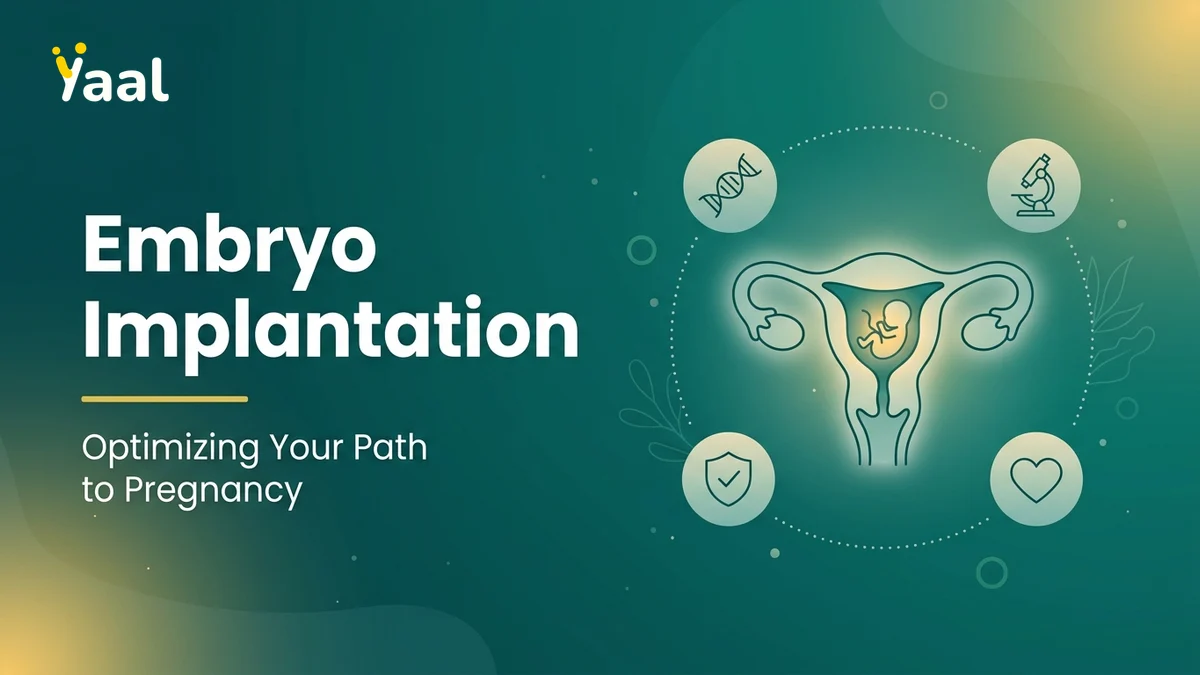
Embryo implantation is the intricate physiological process by which a developing blastocyst—an embryo that has reached day five or six of development—attaches itself to the internal lining of the uterus, known as the endometrium. This biological connection is not a sudden event, but rather a highly coordinated, multi-step dialogue between the maternal uterine tissue and the embryonic cells.
This complex interaction occurs in three distinct phases:
- Apposition: The initial, unstable positioning of the blastocyst as it aligns with the mucosal lining of the uterus, finding an optimal spot to settle.
- Adhesion: The establishment of a physical connection, where specialized cell-adhesion molecules (like integrins) bind the outer layer of the embryo (the trophectoderm) to the endometrial surface.
- Invasion: The embryo penetrates the endometrial epithelium and embeds deep into the vascular-rich stroma of the uterine wall.
Once the embryo successfully invades the maternal tissue and establishes a connection with the maternal blood supply, it begins secreting human chorionic gonadotropin (hCG). This hormone signals the body to sustain the pregnancy, marking the true physiological starting point of a clinical pregnancy.
The Biological Process of Implantation
At the microscopic level, the blastocyst must hatch out of its protective outer shell, the zona pellucida, to expose its cellular membrane to the endometrium. The endometrium, in response to rising progesterone levels, undergoes structural changes. Tiny, finger-like projections called pinopodes appear on the surface of the uterine lining. These pinopodes absorb uterine fluid, bringing the blastocyst into close contact with the endometrial cells. If the cellular signals between the maternal tissue and the embryo do not align perfectly, the adhesion phase fails, and the embryo cannot implant.
The Window of Implantation and Endometrial Receptivity
The endometrium is not receptive to an embryo throughout the entire menstrual cycle. Instead, there is a highly restricted timeframe known as the "window of implantation" (WOI). In a typical 28-day cycle, this window opens approximately 5 to 10 days after ovulation (usually days 19 to 24 of the cycle). During this brief period, the endometrium is highly receptive, expressing specific proteins, cytokines, and adhesion molecules. Outside this window, the uterine environment is unreceptive or even hostile to an embryo. Synchronizing the development of the embryo with this precise endometrial window is one of the most critical factors in achieving a high embryo implantation success rate.
What is a Normal Embryo Implantation Success Rate?
When evaluating the success of an in vitro fertilization (IVF) cycle, it is important to distinguish between the rate of successful implantation and the cumulative live birth rate. The embryo implantation success rate refers specifically to the percentage of transferred embryos that successfully implant and result in a detectable gestational sac via ultrasound. Globally, average implantation rates per single embryo transfer hover between 35% and 55% for women under 35. However, these figures are highly individualized and depend heavily on biological variables.
Success Rates by Maternal Age
Maternal age remains one of the most influential predictors of implantation success, primarily because age directly affects the genetic quality of a woman's eggs.
- Under 35 Years: Patients in this demographic typically experience the highest success rates, often ranging from 45% to 55% per transfer, as a larger percentage of their embryos are chromosomally normal (euploid).
- 35 to 37 Years: Implantation rates begin a gradual decline, generally averaging between 35% and 40%.
- 38 to 40 Years: The success rate drops to approximately 25% to 30%, reflecting an increase in chromosomal abnormalities in the retrieved oocytes.
- Over 40 Years: Implantation rates fall below 15% to 20% when using autologous (own) eggs, which is why many patients in this age bracket explore donor egg programs to optimize their outcomes.
Fresh vs. Frozen Embryo Transfer Implantation Rates
Historically, fresh embryo transfers (where the embryo is transferred back to the uterus in the same cycle as the egg retrieval) were the standard. However, advanced vitrification (ultra-rapid freezing) techniques have shifted the paradigm toward Frozen Embryo Transfers (FET).
During a fresh cycle, the high doses of hormones used to stimulate the ovaries can sometimes create a less-than-ideal, hyper-estrogenic endometrial environment, causing the window of implantation to shift. In contrast, an FET allows the patient's body to recover from stimulation. The endometrium can be prepared naturally or with precise, physiological doses of estrogen and progesterone, creating a highly receptive environment that closely mimics a natural cycle. Consequently, many modern clinics observe higher implantation success rates with frozen-thawed euploid embryos compared to fresh transfers.
Why Embryo Implantation Fails After IVF

When an embryo transfer does not result in a pregnancy, it can be emotionally challenging. Understanding the underlying scientific reasons for failure can help medical teams refine subsequent protocols for a better outcome. Implantation failure is generally categorized into embryonic factors (the seed) and maternal factors (the soil).
Embryonic Factors and Chromosomal Issues
The most common reason an embryo fails to implant is chromosomal aneuploidy—an abnormal number of chromosomes within the embryo. Even an embryo that looks physically perfect under a microscope (graded highly by an embryologist) may have underlying genetic abnormalities. If an embryo has missing or extra chromosomes, it will typically stop growing shortly after the apposition or adhesion phase, preventing successful implantation or leading to an early chemical pregnancy. As maternal age increases, the rate of aneuploidy naturally rises, making embryonic quality the primary hurdle to overcome.
Uterine and Endometrial Barriers to Implantation
Even a genetically perfect embryo cannot implant if the uterine environment is compromised. Common maternal barriers include:
- Anatomical Abnormalities: Submucosal fibroids (which grow into the uterine cavity), endometrial polyps, or uterine septums can physically block the embryo from adhering or disrupt the blood flow to the lining.
- Thin Endometrium: A uterine lining that does not reach an optimal thickness (ideally 8mm or more) lacks the dense vascular structure required to support an invading blastocyst.
- Chronic Endometritis: A persistent, low-grade localized inflammation of the endometrium, often asymptomatic, that alters the local immune environment and prevents adhesion.
- Intrauterine Adhesions (Asherman's Syndrome): Scar tissue within the uterine cavity that replaces healthy, receptive endometrial tissue.
Immunological Rejection and Clotting Disorders
The maternal immune system must undergo a complex state of tolerance to accept an embryo, which contains foreign paternal DNA. In some cases, an overactive maternal immune response may identify the embryo as a foreign threat and reject it. Additionally, underlying thrombophilias (blood clotting disorders) can cause micro-clots to form in the developing blood vessels of the early placenta, cutting off the embryo's oxygen and nutrient supply immediately after invasion, leading to early implantation failure.
Diagnosing Recurrent Implantation Failure (RIF)
Recurrent Implantation Failure (RIF) is clinically defined when a patient has undergone multiple IVF cycles—typically involving the transfer of three or more high-quality blastocysts—without achieving a clinical pregnancy. Diagnosing the root cause of RIF requires a systematic, highly personalized investigative approach.
Advanced Endometrial Testing (ERA, EMMA, ALICE)
To address the timing and health of the uterine lining, specialized endometrial biopsies can be performed in a mock cycle:
- Endometrial Receptivity Analysis (ERA): This molecular diagnostic tool analyzes the expression of hundreds of genes in the endometrial tissue to determine the exact timing of the patient's personal window of implantation. It identifies if the lining is "receptive," "pre-receptive," or "post-receptive" at the standard transfer time, allowing clinicians to personalize the timing of the transfer.
- Endometrial Microbe Metagenomic Analysis (EMMA): This test evaluates the uterine microbiome, ensuring that healthy bacteria (like Lactobacillus) are present in sufficient quantities to support pregnancy.
- Analysis of Infectious Chronic Endometritis (ALICE): This test specifically detects the presence of harmful bacteria causing chronic inflammation, allowing for targeted antibiotic therapy before a transfer.
Hysteroscopy and Uterine Cavity Evaluation
Before undertaking another embryo transfer, a direct visual assessment of the uterine cavity is often recommended. A hysteroscopy is a minimally invasive procedure where a thin, lighted telescope (a hysteroscope) is inserted through the cervix into the uterus. This allows the fertility specialist to directly inspect the endometrial lining, identify and immediately remove small polyps or adhesions, and take targeted biopsies to rule out chronic infection.
Clinical Treatments to Improve Your Implantation Success Rate
Once diagnostic tests have identified potential barriers, fertility specialists can employ a range of advanced clinical interventions to optimize the uterine environment and select the most viable embryos.
Preimplantation Genetic Testing (PGT)
To overcome embryonic factors, Preimplantation Genetic Testing for Aneuploidies (PGT-A) can be performed on blastocysts before they are frozen. During this procedure, a highly skilled embryologist performs a biopsy, removing a few cells from the trophectoderm (the outer layer that becomes the placenta, leaving the inner cell mass that forms the baby untouched). These cells are genetically screened. By transferring only "euploid" (chromosomally normal) embryos, clinicians can significantly improve the embryo implantation success rate per transfer and lower miscarriage rates.
Endometrial PRP Therapy and Uterine Scratching
For patients struggling with a thin or unresponsive endometrium, advanced regenerative therapies offer promising solutions:
- Platelet-Rich Plasma (PRP) Therapy: PRP is prepared by concentrating platelets from the patient's own blood, which are rich in growth factors and cytokines. Infusing PRP directly into the uterine cavity a few days before the embryo transfer stimulates cellular regeneration, improves endometrial thickness, and enhances local blood flow.
- Endometrial Scratching: A minor procedure performed in the cycle preceding the embryo transfer. By gently scraping the endometrial lining, a localized inflammatory response is triggered. As the lining heals, it releases a surge of growth factors and cytokines that can make the newly regenerated lining more receptive in the subsequent cycle.
Lifestyle Changes to Support Healthy Implantation
While clinical treatments address the physiological and genetic aspects of fertility, daily lifestyle choices play a supportive role in optimizing endometrial receptivity and systemic wellness during the IVF process.
Diet and Nutrition for Endometrial Health
An anti-inflammatory, nutrient-dense diet supports healthy blood circulation and cellular repair. Focusing on a Mediterranean-style dietary pattern rich in the following can be beneficial:
- Leafy Greens and Cruciferous Vegetables: High in folate, iron, and essential antioxidants that combat oxidative stress.
- Healthy Fats: Omega-3 fatty acids found in walnuts, flaxseeds, and wild-caught fish help reduce systemic inflammation and support uterine blood flow.
- Lean Proteins: Poultry, eggs, legumes, and seeds provide the necessary amino acids for tissue repair and hormone synthesis.
- Hydration: Drinking adequate water ensures optimal blood volume, which is essential for maintaining a highly vascularized endometrial lining.
Managing Stress and Activity During the Two-Week Wait
The "two-week wait"—the period between the embryo transfer and the pregnancy test—is often the most emotionally demanding phase of fertility treatment. Managing stress and maintaining healthy circulation during this time is key:
- Gentle, Low-Impact Activity: While vigorous exercise and heavy lifting should be avoided to prevent uterine contractions, gentle walking is highly encouraged. Walking promotes pelvic blood flow, ensuring the uterus receives a steady supply of oxygenated blood.
- Prioritizing Restorative Sleep: Aim for 7 to 9 hours of quality sleep per night. Sleep is when the body undergoes cellular repair and regulates hormone production, including progesterone.
- Mindfulness and Relaxation: Engaging in breathing exercises, meditation, or reading can help lower cortisol levels, keeping the nervous system in a calm, receptive state.
Choosing Advanced Fertility Care in Chennai
Achieving a successful pregnancy requires a combination of clinical expertise, cutting-edge embryology lab standards, and highly compassionate care. For patients seeking specialized fertility services, selecting a clinic with a proven track record in managing complex implantation challenges is paramount.
Personalized IVF Protocols at Yaal Fertility Centre
At Yaal Fertility Centre, we recognize that no two fertility journeys are alike. Under the leadership of Dr. Rukkayal Fathima, MRCOG (UK), our medical team designs highly customized treatment plans tailored to each patient's unique diagnostic profile. Rather than relying on one-size-fits-all protocols, we integrate advanced diagnostics like ERA, EMMA, ALICE, and PGT-A to address the precise biological needs of both the embryo and the endometrium. This meticulous, evidence-based approach is a key factor behind our exceptional 70% IVF success rate.
Why Chennai Patients Trust Dr. Rukkayal Fathima
Dr. Rukkayal Fathima brings international clinical standards and extensive reproductive expertise to patients in Chennai. Her training and membership with the Royal College of Obstetricians and Gynaecologists (UK) ensure that the latest global advancements in fertility medicine are accessible locally. Backed by our state-of-the-art embryology laboratory, which maintains strict environmental controls to protect developing blastocysts, Yaal Fertility Centre provides a reassuring, calm, and highly professional environment for families seeking to realize their dreams of parenthood.
Frequently Asked Questions About Embryo Implantation
How many days after transfer does implantation occur?
In a blastocyst (day 5 or 6) transfer, implantation typically begins within 1 to 3 days after the procedure. The blastocyst hatches from its shell and completes the invasion process into the uterine wall over the course of several days.
What are the signs of successful embryo implantation?
While many women experience no symptoms at all, some may notice mild signs such as light implantation spotting (typically light pink or brown), mild pelvic cramping, breast tenderness, or fatigue. However, because progesterone supplements taken during IVF mimic these early pregnancy symptoms, the only definitive way to confirm implantation is through a beta-hCG blood test.
Does bed rest improve the embryo implantation success rate?
No, clinical studies have shown that strict bed rest does not improve implantation rates. In fact, gentle movement and light walking are beneficial as they encourage healthy blood circulation to the uterus. It is best to avoid strenuous activities, heavy lifting, and high-impact exercises, but normal, light daily activities are perfectly safe.
What should I avoid after an embryo transfer?
After a transfer, it is advisable to avoid hot baths, saunas, or heating pads directly on the abdomen, as elevated core body temperatures can interfere with implantation. You should also avoid smoking, alcohol, excessive caffeine, and raw or unpasteurized foods.
Take the Next Step in Your Journey
If you have experienced previous unsuccessful embryo transfers or are preparing for your first IVF cycle, partnering with an experienced fertility specialist can make all the difference. Contact our team today to discuss how we can customize your treatment path.
To explore your options with Dr. Rukkayal Fathima and our dedicated fertility team, Book an appointment with Yaal Fertility Centre.
Frequently Asked Questions
Written by
Dr. Rukkayal Fathima
Specialist at Yaal Fertility Centre, Chennai. Providing expert guidance on fertility and women's health.