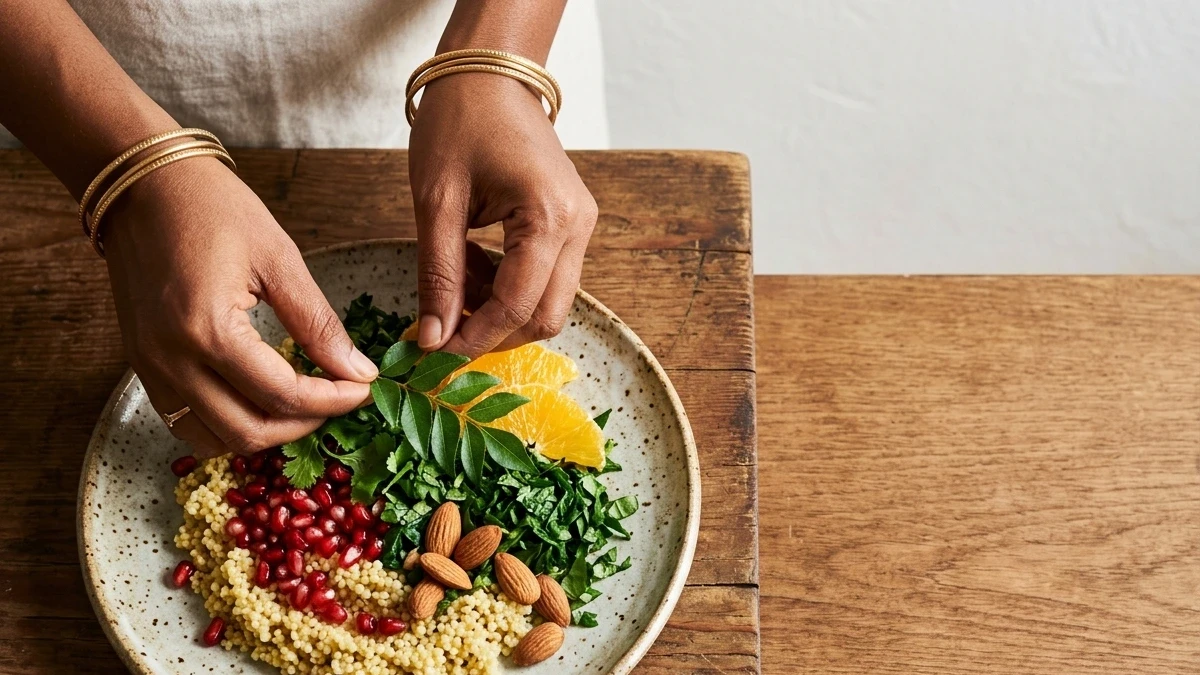
For women navigating the complexities of conception, managing PCOS is often the first and most critical step. Adopting a strategic pcos diet for fertility can help balance your hormones, improve insulin sensitivity, and create the optimal internal environment needed to support a healthy pregnancy.
Table of Contents
- Understanding the PCOS and Fertility Connection
- Why Diet Matters: The Insulin Resistance Link
- The Principles of a PCOS Fertility Diet
- Foods to Prioritize for PCOS Management
- Foods to Limit or Avoid
- Sample PCOS Diet Plan: Indian Context
- Diet Alone vs. Medical Treatment
- Lifestyle Factors Beyond Diet
- When to Consult a Fertility Specialist
- Frequently Asked Questions About PCOS Diets
- Conclusion: Taking Control of Your Fertility Journey
Understanding the PCOS and Fertility Connection
Polycystic Ovary Syndrome (PCOS) is a complex endocrine disorder that affects how a woman's ovaries function. At its core, PCOS is characterized by a hormonal imbalance that disrupts the delicate process of ovulation. Instead of releasing a mature egg regularly, the ovaries may develop small, fluid-filled sacs—known as follicles—that fail to release an egg, leading to irregular or absent menstrual cycles.
How PCOS Disrupts Ovulation
Ovulation is a tightly regulated dance between the brain and the ovaries. In a healthy cycle, the pituitary gland signals the ovaries to mature a follicle, which then releases an egg. In women with PCOS, this communication is often "noisy" due to elevated levels of androgens (often called "male" hormones). These excess androgens can interfere with follicle development, preventing the egg from reaching maturity. When ovulation is sporadic or non-existent, the chances of natural conception drop significantly, which is why PCOS is one of the most common causes of female infertility.
The Role of Nutrition in Hormonal Balance
While there is no "cure" for PCOS in the sense of making it disappear entirely, nutrition plays a transformative role in managing the symptoms. By stabilizing blood sugar and reducing systemic inflammation, a targeted PCOS diet can help restore hormonal balance. It is not just about weight loss; it is about providing the body with the specific nutrients it needs to regulate insulin, improve egg quality, and signal the ovaries to resume regular function.
At Yaal Fertility Centre, we frequently see how foundational nutrition changes serve as the bedrock for successful fertility treatments, making the body more responsive to intervention. When you provide your body with the right fuel, you support the hypothalamic-pituitary-ovarian (HPO) axis, which is responsible for the hormonal signaling required for monthly ovulation.
Why Diet Matters: The Insulin Resistance Link
Insulin is a hormone that regulates how your body converts food into energy. For many women with PCOS, the body's cells do not respond properly to insulin—a condition known as insulin resistance. The pancreas compensates by producing even more insulin, leading to high levels of this hormone circulating in the blood.
The Insulin-Androgen Cycle
This hyperinsulinemia (high insulin) is the primary driver of PCOS symptoms. High insulin levels act on the ovaries, stimulating them to produce excess androgens like testosterone. This creates a vicious cycle: the excess androgens worsen insulin resistance, which in turn causes the ovaries to produce more androgens. This hormonal environment is highly detrimental to egg quality and ovulation. By controlling your insulin levels through diet, you are effectively breaking this cycle, which can lead to more regular periods and improved fertility outcomes.
Signs of Insulin Resistance
How do you know if you are struggling with insulin resistance? While blood tests (such as a Fasting Insulin test or HOMA-IR score) are the gold standard for diagnosis, there are physical indicators to watch for:
- Central Adiposity: Stubborn weight gain, particularly around the midsection.
- Dermatological Changes: Skin tags or patches of darkened, velvety skin (acanthosis nigricans) commonly found in the folds of the neck, underarms, or groin.
- The "Crash": Intense sugar cravings followed by fatigue or "brain fog" after eating carbohydrate-heavy meals.
- Energy Slumps: Feeling unusually tired in the afternoon, often signaling that your blood sugar is failing to remain stable.
If you recognize these signs, your dietary choices are not just a lifestyle preference—they are a medical necessity to improve your metabolic health and, by extension, your reproductive potential.
The Principles of a PCOS Fertility Diet
When designing a diet for fertility, the focus should be on metabolic health and inflammation reduction. You are not looking for a restrictive "crash diet," but rather a sustainable way of eating that supports long-term endocrine function.
What is Low-GI Eating?
The Glycemic Index (GI) measures how quickly a food causes your blood sugar levels to rise. High-GI foods (like white bread, sugary snacks, or white rice) cause rapid spikes in blood sugar and, consequently, insulin. Low-GI foods are digested more slowly, leading to a gradual, steady release of energy. For a woman with PCOS, replacing high-GI foods with low-GI alternatives is the single most effective dietary intervention. It prevents the insulin spikes that trigger androgen production, keeping your hormonal environment stable.
Prioritizing Anti-Inflammatory Foods
Chronic, low-grade inflammation is a hallmark of PCOS. It can impair the ovaries' ability to respond to hormonal signals and negatively impact the quality of the developing egg. An anti-inflammatory diet focuses on whole, unprocessed foods rich in antioxidants. Think of colorful vegetables, berries, healthy fats like omega-3s, and spices like turmeric.
By reducing inflammation, you are essentially "calming" the body, making it a more hospitable environment for conception and early embryonic development. Inflammation also contributes to oxidative stress, which can damage the DNA of the egg; antioxidants act as a shield, protecting your reproductive cells from this damage.
Foods to Prioritize for PCOS Management
A successful fertility diet is built on the foundation of nutrient density. You want to maximize the vitamins, minerals, and fiber in every bite.
Fiber-Rich Complex Carbohydrates
Fiber is your best friend when managing insulin levels. It slows down the absorption of sugar and helps the body excrete excess hormones. In an Indian context, this means moving away from polished white rice and maida (refined flour) toward complex carbohydrates.
- Millets: Ragi (finger millet), jowar (sorghum), and bajra (pearl millet) are excellent staples. They are high in fiber, minerals, and have a lower glycemic impact than white rice.
- Legumes: Lentils (dal), chickpeas, and kidney beans are packed with plant-based protein and fiber, making them ideal for blood sugar control.
- Whole Grains: Oats (steel-cut or rolled, not instant), quinoa, and brown rice are fantastic additions to your daily meals, providing steady energy without the sugar crash.
Healthy Fats for Hormone Production
Hormones are made from cholesterol and fats. Therefore, a low-fat diet is often counterproductive for fertility. Instead, you need to focus on healthy fats. Monounsaturated and polyunsaturated fats support hormone synthesis and reduce inflammation.
- Nuts and Seeds: Incorporate a handful of soaked almonds or walnuts into your morning routine. Flax seeds, chia seeds, and pumpkin seeds are particularly beneficial as they provide omega-3 fatty acids and zinc, which are vital for reproductive health.
- Traditional Oils: Use cold-pressed oils like groundnut or gingelly oil in moderation rather than refined vegetable oils.
- Omega-3 Sources: If you are non-vegetarian, fatty fish like mackerel or sardines (common in coastal Indian diets) are excellent choices. If you are vegetarian, focus on flaxseeds, walnuts, and chia seeds to meet your omega-3 needs.
Protein-First Meals
Protein is essential for satiety and blood sugar regulation. Every meal should contain a high-quality protein source. This could include eggs, lean poultry, paneer (in moderation), tofu, or dal. Protein helps blunt the insulin response to carbohydrates, meaning if you do eat a carb-heavy meal, pairing it with protein will significantly reduce the resulting blood sugar spike.
Foods to Limit or Avoid
To successfully manage PCOS, you must identify and eliminate the "triggers" that cause hormonal chaos.
Hidden Sugars in Common Snacks
Sugar is the primary enemy of insulin sensitivity. It is not just about avoiding "sweets" like cake or chocolate; it is about being vigilant regarding hidden sugars in processed foods. Many savory snacks, store-bought sauces, fruit juices, and even "healthy" breakfast cereals are loaded with added sugars. When you consume these, your blood sugar spikes instantly. Over time, this constant fluctuation makes your body less efficient at managing glucose, deepening the insulin resistance that keeps PCOS active.
Managing Refined Carbohydrates
Refined carbohydrates like white bread, biscuits, rusks, and maida-based snacks (like samosas, parathas, or white pasta) are essentially sugar in disguise. They offer very little nutritional value and cause significant insulin surges. In a fertility context, these foods are "empty" calories that do not support the metabolic needs of the ovaries. When trying to conceive, your body needs nutrient-dense fuel to support the energy-intensive process of egg maturation. Swapping these refined options for whole-grain alternatives is one of the most impactful changes you can make for your reproductive health.
Trans Fats and Inflammatory Oils
Avoid hydrogenated vegetable oils and processed foods containing trans fats (often found in bakery items, fried street foods, and packaged snacks). These fats increase systemic inflammation, which directly interferes with the ovaries' ability to respond to hormonal signals.
Sample PCOS Diet Plan: Indian Context
A diet for fertility in India doesn't have to mean eating bland, Westernized food. It is entirely possible to balance your hormones using traditional, local ingredients.
A Balanced Day of Eating
- Early Morning: A glass of warm water with soaked fenugreek seeds (methi) or a handful of soaked almonds and walnuts.
- Breakfast: Moong dal chilla with grated vegetables (carrots, spinach, onions) OR vegetable oats upma with plenty of green beans, peas, and carrots. Avoid sugary cereals or white bread toast.
- Mid-Morning: A small bowl of curd (probiotics are great for gut health) or a portion of low-glycemic fruit like guava, apple, or berries.
- Lunch: A small portion of brown rice or one ragi/jowar roti, a generous serving of dal (lentils), and a large bowl of seasonal vegetable stir-fry (sabzi—like bhindi, cauliflower, or beans). Include a side of curd or buttermilk to support digestion.
- Evening Snack: A cup of green tea or herbal tea with a handful of roasted makhana (foxnuts) or peanuts. These provide crunch without the inflammatory properties of fried snacks.
- Dinner: Similar to lunch but lighter. Vegetable soup (without cream), a bowl of dal, or a millet-based dish (like millet khichdi with lots of veggies). Aim to finish dinner at least 2-3 hours before bed to allow for proper digestion.
Portion Control Tips
Even healthy food, when eaten in excess, can lead to weight gain, which exacerbates PCOS symptoms. Use the "plate method": half your plate should be vegetables (fiber), one-quarter should be protein (dal, legumes, lean meat, paneer), and one-quarter should be a complex carbohydrate (millet, brown rice). This visual guide ensures you are getting the right balance of nutrients without overeating.
Diet Alone vs. Medical Treatment
It is crucial to have realistic expectations regarding the role of diet in your fertility journey.
When Lifestyle Changes Are Enough
For some women, particularly those with mild PCOS symptoms, weight management and dietary adjustments are sufficient to restore regular ovulation. When the body achieves a healthier metabolic state, the natural hormonal feedback loops can sometimes "reset," allowing for spontaneous conception. If you have been diagnosed with PCOS but have not yet tried a structured, low-GI diet, this is often the recommended first-line approach.
Supporting Fertility Treatments with Nutrition
In many cases, PCOS is more than just a metabolic issue; it may involve structural factors or long-standing hormonal imbalances that require medical intervention. Even if you require treatments like IUI (Intrauterine Insemination) or IVF (In Vitro Fertilization), diet remains non-negotiable. A healthy, nutrient-rich diet improves the quality of the eggs retrieved during IVF and creates a more receptive uterine lining. Many women with PCOS are also prescribed ovulation induction with clomiphene citrate as a first-line treatment — diet and medication work together, not against each other.
At Yaal Fertility Centre, we emphasize that nutrition is not a replacement for medical care—it is the fuel that allows your body to respond optimally to the medical support we provide. Our fertility protocols are designed to work with your body, and your nutritional status is a key factor in how well your body responds to stimulation medication.
Lifestyle Factors Beyond Diet
Diet is a pillar of health, but it does not stand alone. Your hormones are also heavily influenced by your daily habits.
Exercise and Insulin Sensitivity
Physical activity is essentially "medicine" for insulin resistance. When you move your body, your muscles use glucose for energy without requiring high levels of insulin. This helps lower blood sugar levels naturally.
- Consistency over Intensity: You don't need to engage in high-intensity training that spikes cortisol; moderate activities like brisk walking, yoga, or swimming for 30–45 minutes, five days a week, are highly effective for PCOS management.
- Strength Training: Incorporating light weight training or bodyweight exercises (like squats or lunges) is particularly effective, as building muscle helps the body manage glucose more efficiently throughout the day.
The Impact of Stress on Hormones
Stress triggers the release of cortisol, a hormone that can interfere with ovulation and worsen insulin resistance. In a fertility journey, stress is often unavoidable, but managing it is essential. Practices like meditation, deep breathing, or simply ensuring you get 7–8 hours of quality sleep can lower cortisol levels. Sleep deprivation, in particular, is linked to increased cravings and higher insulin levels the next day. Prioritizing rest is not a luxury; it is a vital part of your fertility treatment plan.
When to Consult a Fertility Specialist
You have taken the right steps by focusing on your diet, but there comes a time when professional guidance is necessary to move forward effectively.
Recognizing the Need for Professional Guidance
If you have been actively trying to conceive for 6 to 12 months (depending on your age) without success, it is time to consult a specialist. Other triggers include:
- Consistently irregular cycles: If your periods are unpredictable or absent, you are likely not ovulating regularly.
- Lack of progress: A diagnosis of PCOS that does not seem to respond to lifestyle changes after 3–6 months.
- History of loss: Any history of recurrent pregnancy loss or known structural issues.
- Age-related urgency: If you are over the age of 30, the "wait and see" approach is often not advisable.
Do not wait until you feel "ready" in terms of your diet; come in for an assessment so we can understand the full picture of your reproductive health.
How We Approach PCOS at Yaal Fertility
At Yaal Fertility Centre, we understand that PCOS is not a "one size fits all" condition. Dr. Rukkayal Fathima and our team prioritize a personalized approach. We look beyond the surface, evaluating your hormonal profile (AMH, FSH, LH, TSH), ovarian reserve, and metabolic health. Explore our dedicated PCOS management services to see how we combine diagnostics with treatment.
We combine evidence-based medical treatments—such as ovulation induction, IUI, or advanced IVF protocols—with guidance on how your lifestyle can support these procedures. We are here to ensure you have a safe, affordable, and supportive path to parenthood, providing clarity in a process that often feels overwhelming.
Frequently Asked Questions About PCOS Diets
Can supplements like Inositol help?
Yes, Myo-inositol and D-chiro-inositol are often recommended for women with PCOS as they can help improve insulin sensitivity and egg quality. Research suggests they can help regulate menstrual cycles and improve the body's response to insulin. However, always consult a fertility specialist before starting any supplement, as dosages vary based on individual needs and your specific hormonal profile.
Should I go gluten-free or dairy-free?
There is no universal evidence that all women with PCOS must avoid gluten or dairy. Some women find relief from inflammation by reducing these, but for many, it is unnecessary. We recommend focusing on whole foods first. If you suspect an intolerance, we can guide you through an elimination diet rather than cutting out entire food groups unnecessarily, which can sometimes lead to nutritional deficiencies if not managed properly.
Is weight loss always necessary for conception?
While losing 5-10% of body weight can significantly improve ovulation in overweight women with PCOS, it is not the only goal. Many women with a "lean" PCOS phenotype also struggle with fertility. The goal is metabolic health, not just a number on the scale. We focus on internal health markers—blood sugar, lipid profiles, and hormonal balance—rather than just weight loss.
Does eating soy affect PCOS?
There is conflicting information about soy. In moderation, soy is a good source of plant-based protein. However, excessive consumption of highly processed soy products may interfere with thyroid function in some individuals. We generally recommend whole soy sources (like edamame or tofu) in moderation rather than relying on soy-based protein powders or processed "fake meats."
How long does it take to see results from a PCOS diet?
Consistency is key. It typically takes about 3 months to see a shift in hormonal balance, as this is the timeframe for the maturation of an egg. While you may feel better (more energy, less bloating) within a few weeks, the full impact on your ovulation and fertility markers usually takes at least 90 days of consistent, healthy eating.
Conclusion: Taking Control of Your Fertility Journey
Managing PCOS through diet is a powerful act of self-care that puts you in the driver's seat of your fertility journey. By stabilizing your blood sugar, reducing inflammation, and prioritizing nutrient-dense, whole foods, you are creating the best possible foundation for conception. Remember, these changes are not about perfection; they are about consistency and making sustainable choices that honor your body's needs.
Your fertility journey is unique, and you do not have to walk this path alone. If you feel that lifestyle adjustments are not yielding the results you hoped for, or if you are ready to take the next step toward building your family, we are here to help.
Book an appointment with Yaal Fertility Centre today to speak with our experts. Whether you are seeking advice, diagnostic testing, or fertility treatments, our team in Chennai is ready to support you with compassionate, evidence-based care. Call us at +91 75500 06704 to start your journey.
Frequently Asked Questions
Written by
Dr. Rukkayal Fathima
Specialist at Yaal Fertility Centre, Chennai. Providing expert guidance on fertility and women's health.